
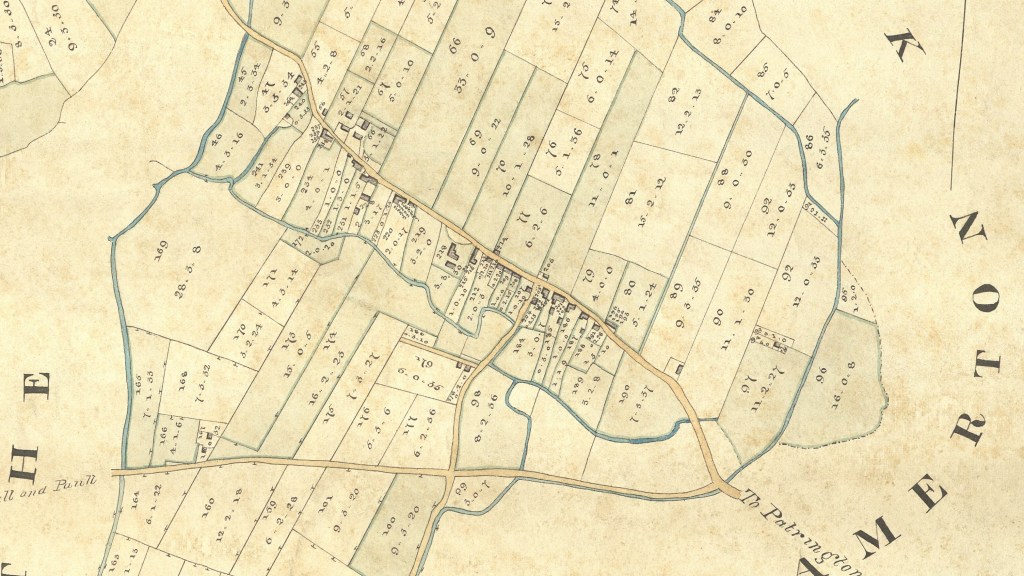
In partnership with Thorngumbald Primary School, we have been celebrating “that village yon side of Hedon” (as described in George Sidney Skeggs‘ significant publication “Thorngumbald”).

Thorngumbald is often considered as a transient, commuter community, a place where people often pass through when travelling to Hull. We were delighted to find that this curiously-named village, in fact, has a much more extensive documented history than we initially thought.
Thorngumbald is first documented in the Domesday Book, dating from 1086, as a settlement named “Torn”. The form of its name suggests that it has its origins in the Viking period. If you’re wondering how the Gumbald part of its name was acquired, this was added in the 1200s when the “Gumbaud” family were then Lords of the Manor. Over the centuries, the village has since been recorded in many creative ways, including Thornogoband, Thorn-cum-Paull, and Gumberthorne!

Across time, the village has been shaped by notable individuals such as Sir Samuel Standidge (1725-1801), a former Hull Mayor and Warden of Hull Trinity House who was one of the founding fathers of the Hull whaling industry. Standidge financed and lived in the original Thorngumbald Hall. Later in the village was John Farrar Butter (1787-1866). Butter was originally a butcher in Hull and with a turn of fortune he was made a Freeman of Hull, purchased land and became a local employer at Thorngumbald, living at the Hall.
More recently, experiences of early 20th-century Thorngumbald life have been documented by Madge Foster (nee Brown) who describes her memories of domestic life, childhood, school, neighbours, and the Second World War. You can read her reminiscences here at the Archives: “Welcome Strangers” and “The Place we Called Home“.

Do you have any Thorngumbald tales?
This year we have been delighted to work with Thorngumbald Primary School to uncover the village’s fascinating history using records from the East Riding Archives’ collections. The stories revealed will be weaved into the curriculum, encouraging pupils to be inspired by their local history.
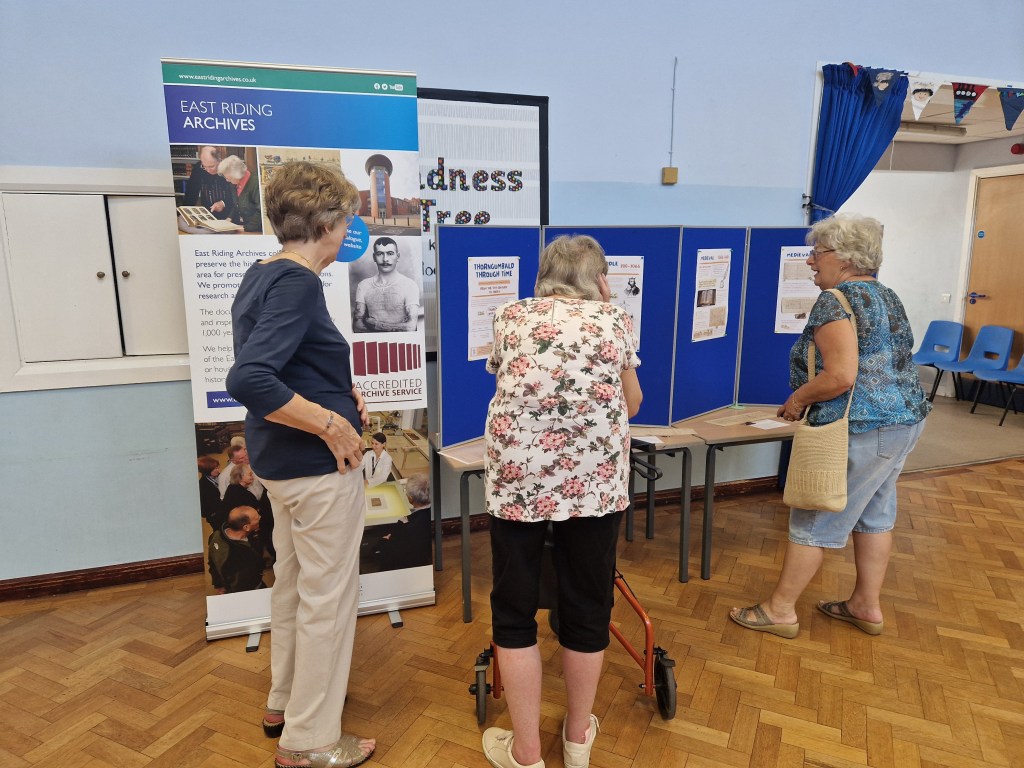
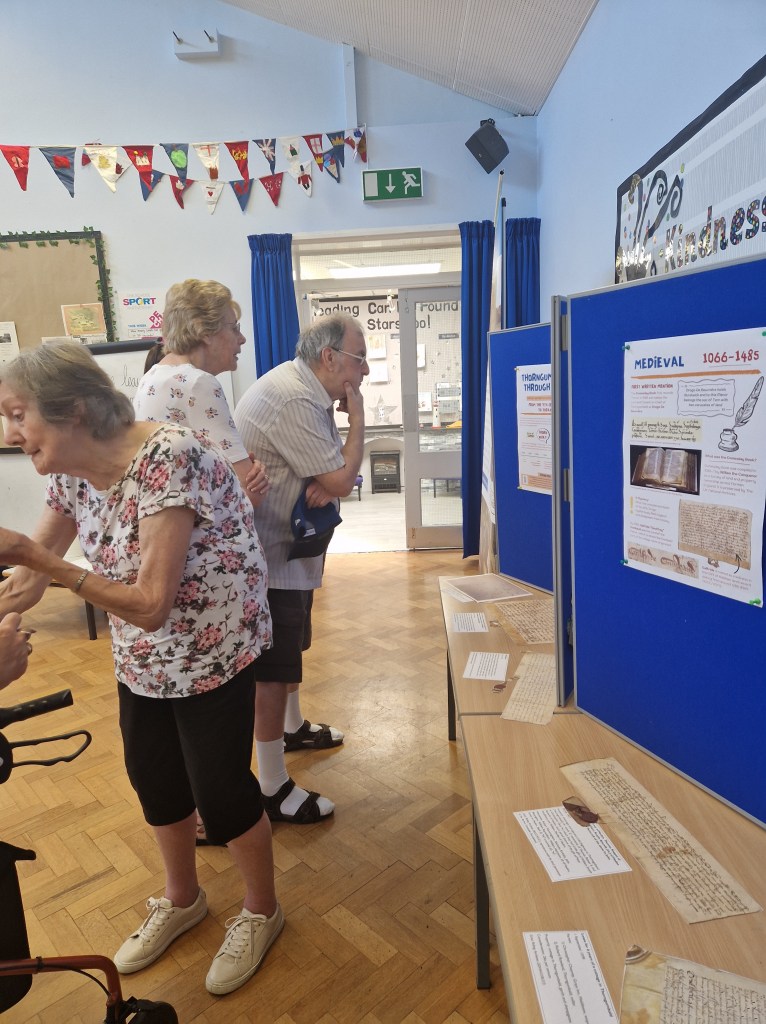
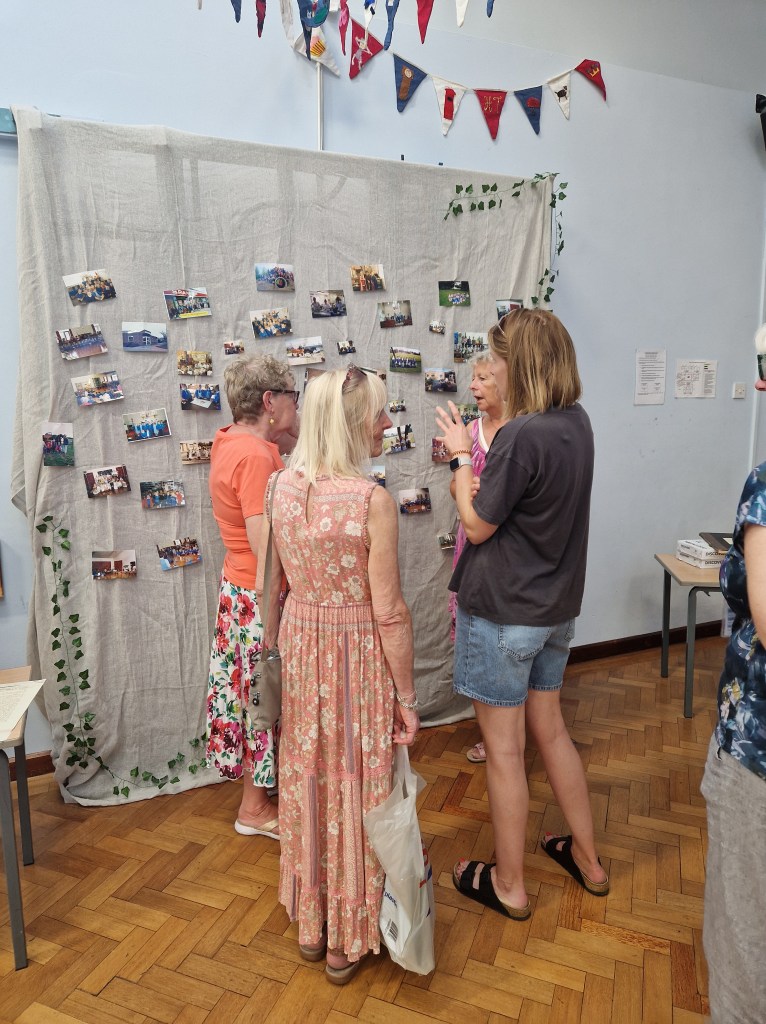
To celebrate the village’s history, on the 26th June 2024 Thorngumbald Primary School launched their open community event (with lots of tea and cake!). On display were registers and photographs from the school’s own archive, and history posters showcasing Thorngumbald records held at the East Riding Archives dating from the 1200s to the present day. Local residents exhibited objects from their own personal collections and shared their memories. Well done to the school for such an inspiring event!
Photos from the event at Thorngumbald Primary School: (all photos published with consent)




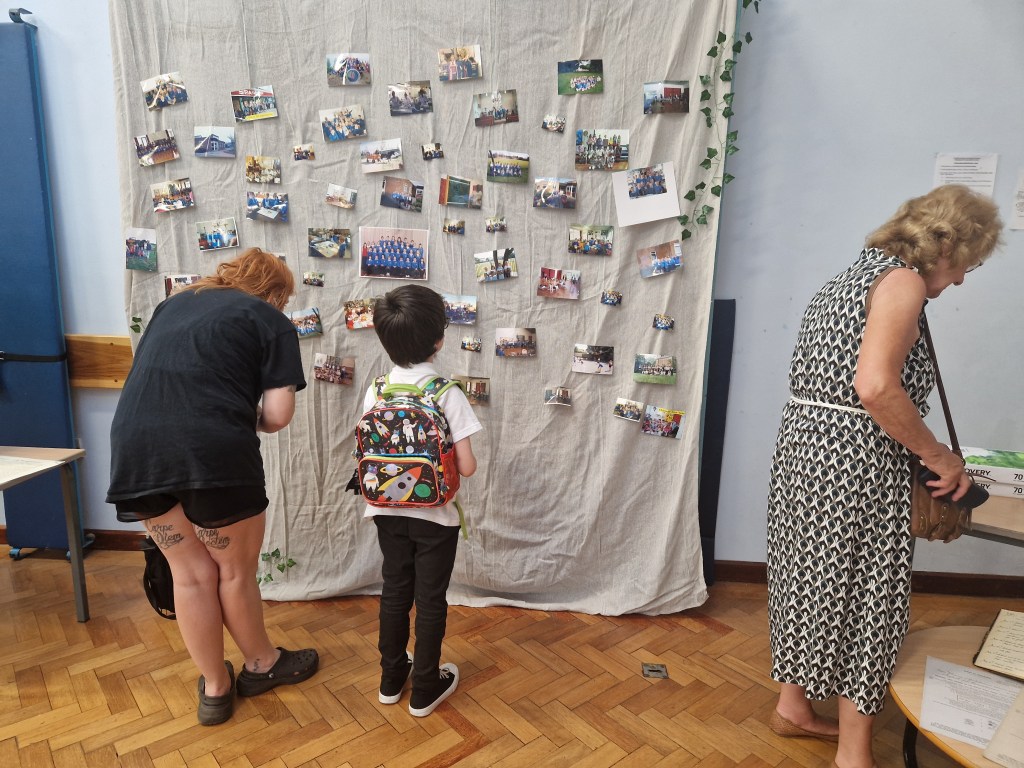

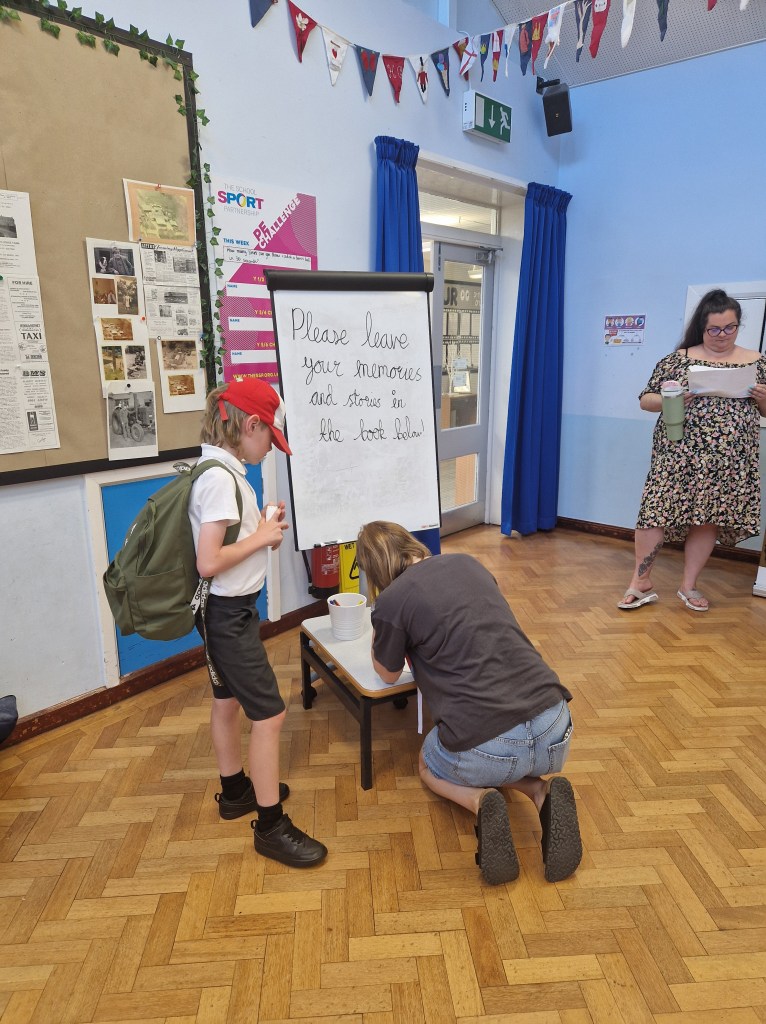
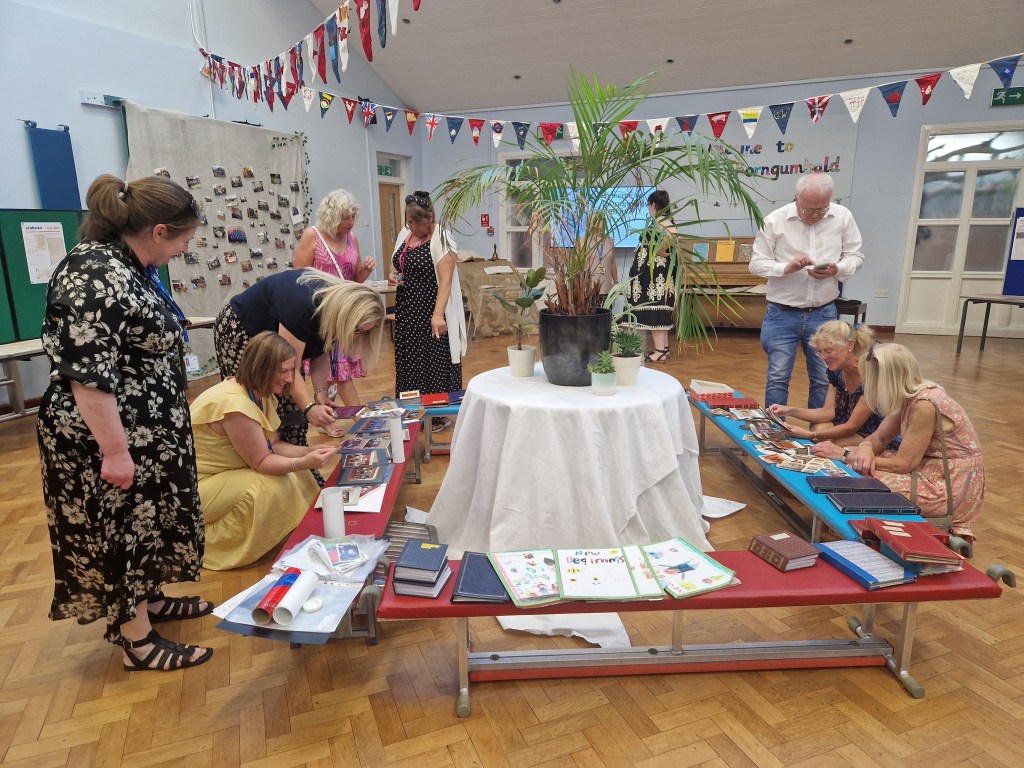


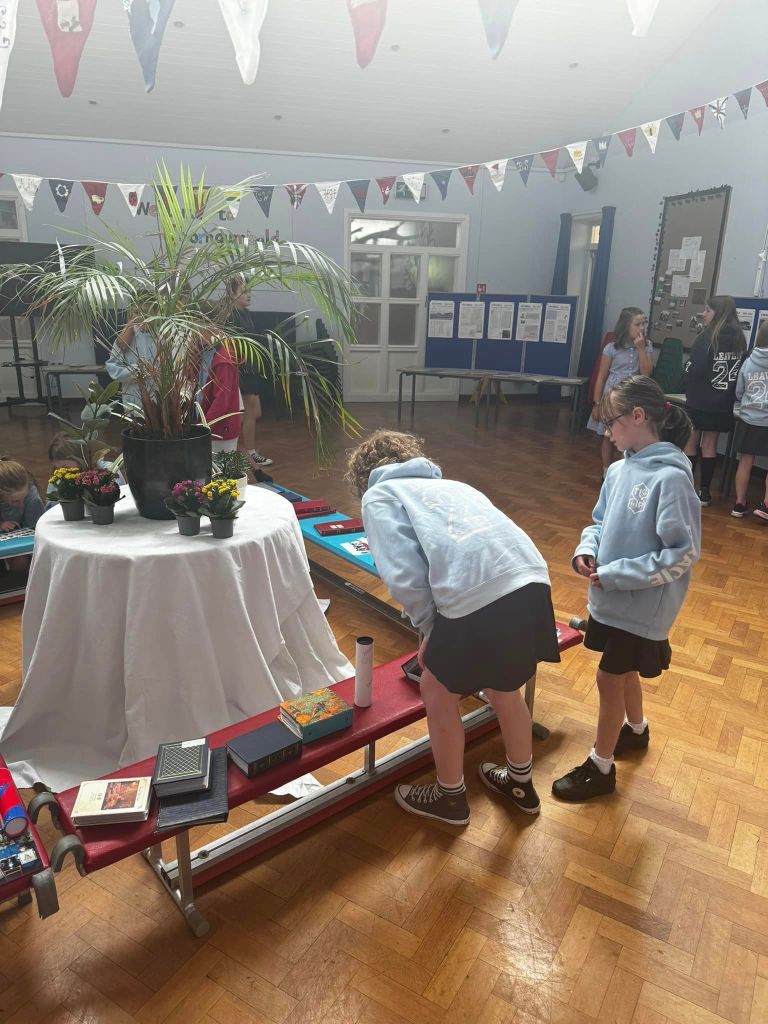
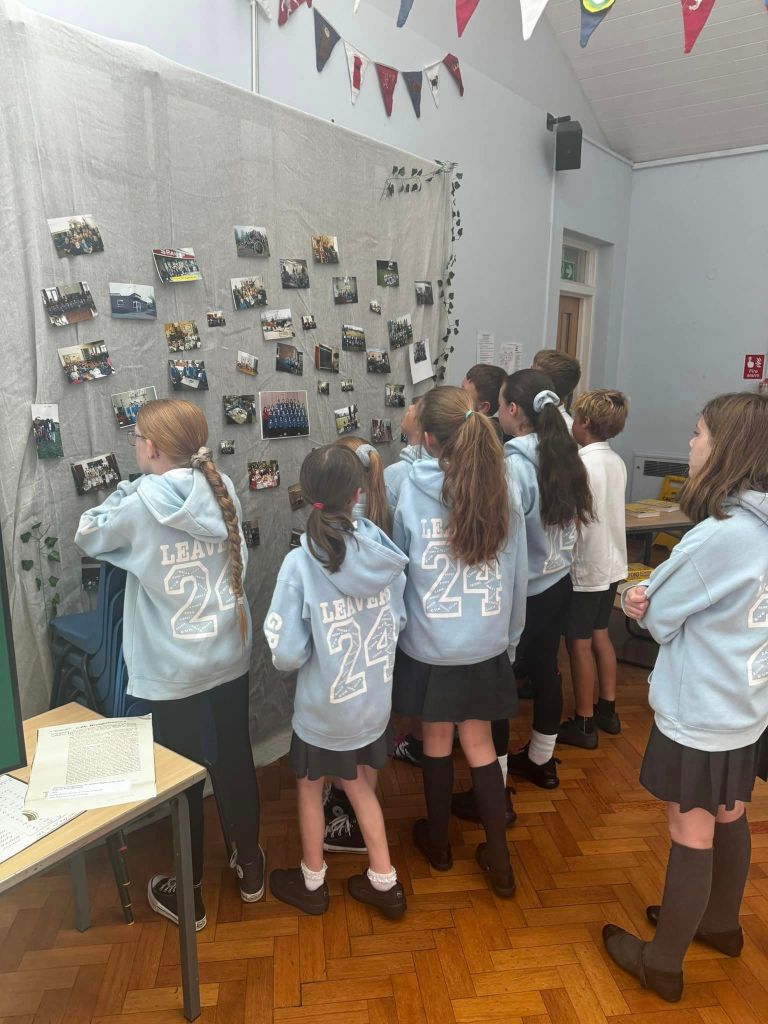


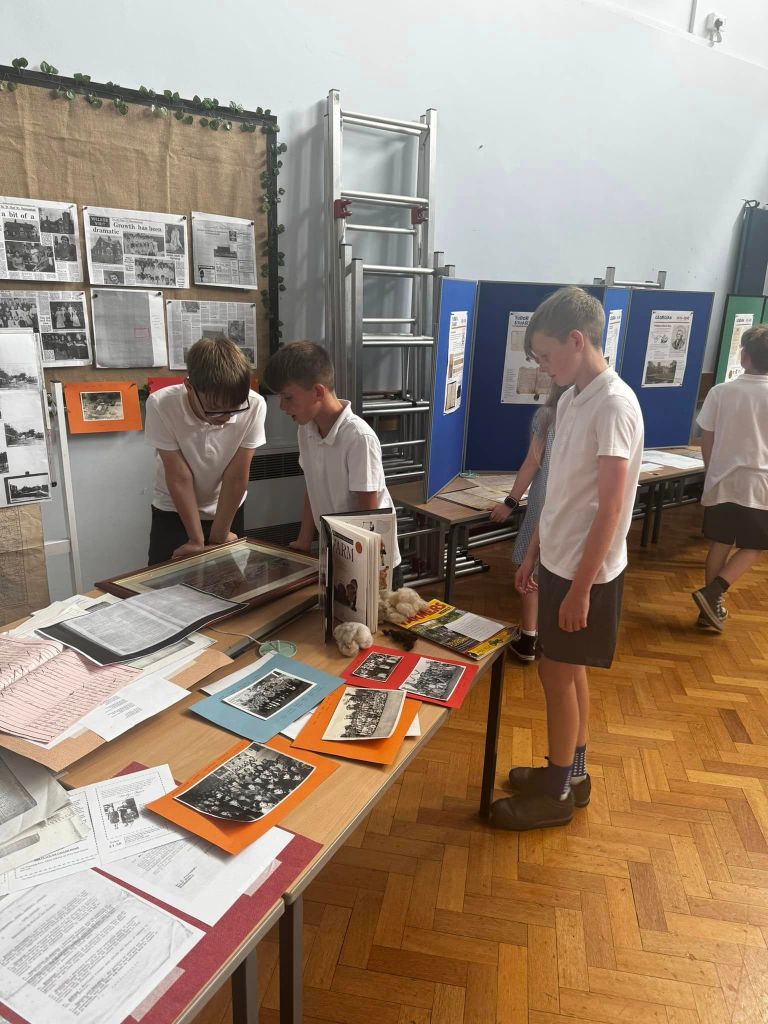
If you have any memories of Thorngumbald please send them to Thorngumbald Primary School who would like to add the stories to their own archive for the benefit of their pupils.


wow!! 2Discovering the History of Hull and East Riding’s Postal Workers
LikeLiked by 1 person
Thorn Hall, residence of surgeon Charles Hargitt and Isabel (nee Raines) Johnston.
Isabel Raines, was born 1854 to Henry and Charity (Richardson) Raines, in Hull.
Isabel Raines, in 1873, married Charles Hargitt Johnson, surgeon, in Hull. He eventually became a
Isabel Raines was a descendant of the Raines & Porter Co. of Hull.
Bartholomew Porter and Robert Raines established the company, as a Glue and Tallow Mfrs in Wincolmlee, Sculcoates, Hull in 1828. The company eventually produced Inks, Paints, Lubricants and Printing plates etc. and continued through into the mid twentieth century before being bought-out.
Charles died, age 74 in 1924 and Isabel died, age 82, in 1936. The records of both give Patrington as the parish.
LikeLiked by 1 person